
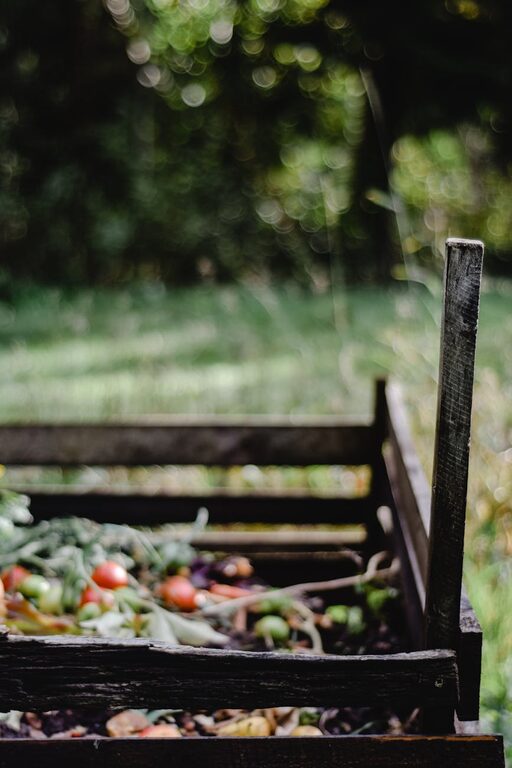
Composting is an easy and rewarding way to reduce waste and create nutrient-rich soil for your garden. If you’re new to composting, the process might seem a bit confusing at first, but with a few beginner tips, you can get started quickly and successfully. This guide will walk you through everything you need to know to begin composting at home.
What is Composting?
Composting is the natural process of breaking down organic materials—like food scraps and yard waste—into a dark, crumbly substance called compost. This compost acts like a superfood for your plants, improving soil structure, moisture retention, and providing essential nutrients.
Why Compost at Home?
– Reduces landfill waste: Instead of throwing out food scraps, you turn them into valuable soil.
– Supports healthy plants: Compost enriches your garden, helping plants grow stronger.
– Saves money: Cut down on buying commercial fertilizers and soil conditioners.
– Good for the environment: Composting reduces methane emissions from landfills.
Getting Started: What You Need
You don’t need expensive equipment to start composting. Here are some basics:
– Compost bin or pile: You can buy a bin or create a pile in your backyard. There are also small composters for balconies or indoor use.
– Organic waste: Kitchen scraps like fruit and vegetable peels, coffee grounds, and eggshells.
– Yard waste: Leaves, grass clippings, small branches.
– Water: Moisture is essential to help breakdown.
– Aeration tool: A pitchfork or compost turner helps mix materials and add oxygen.
Choosing a Composting Method
1. Traditional Backyard Compost Bin
This is great if you have outdoor space. Use a bin with good ventilation or build a simple enclosure from wood pallets. This method can handle lots of scraps, but it requires some space and regular turning.
2. Tumbler Compost Bin
A compost tumbler is a rotating container that makes mixing easier and speeds up decomposition. It’s ideal for smaller yards or those who prefer less maintenance.
3. Vermicomposting (Worm Composting)
This method uses worms—usually red wigglers—to break down kitchen waste quickly. Perfect for indoor composting and apartment living. You’ll need a worm bin and bedding material like shredded paper.
What Can You Compost?
Greens (Nitrogen-rich materials)
– Fruit and vegetable scraps
– Coffee grounds and filters
– Tea bags (without synthetic parts)
– Fresh grass clippings
– Plant trimmings
Browns (Carbon-rich materials)
– Dry leaves
– Shredded newspaper and cardboard
– Straw or hay
– Small branches and twigs
– Sawdust (untreated wood)
Avoid Composting These
– Meat, fish, dairy, and oily foods (can attract pests)
– Pet waste (may contain harmful bacteria)
– Diseased plants or weeds with seeds
– Chemically treated wood or plants
– Synthetic materials like plastics or metals
Tips for Successful Composting
1. Balance Greens and Browns
A good compost pile needs a balance of nitrogen-rich greens and carbon-rich browns. Aim for roughly 2-3 parts browns to 1 part greens. This mix keeps the pile healthy and reduces odors.
2. Chop or Shred Materials
Smaller pieces break down faster. Chop vegetable scraps and shred leaves or paper before adding them to the bin.
3. Keep It Moist
Your compost pile should feel like a damp sponge—not too dry or soaking wet. If it gets dry, sprinkle some water. If too wet, add more browns.
4. Turn the Pile Regularly
Aeration helps microbes do their work. Turn your compost every few weeks with a pitchfork or compost aerator to speed up decomposition.
5. Be Patient
Composting takes time. Depending on your method and materials, it can take a few months to a year. Finished compost is dark, crumbly, and earthy-smelling.
Troubleshooting Common Issues
| Problem | Possible Cause | What to Do |
|—————–|————————–|————————————|
| Smelly compost | Too much green or wet | Add more dry browns and turn pile |
| Pests | Meat or oily food added | Remove offending materials, cover food scraps |
| Compost too dry | Lack of water | Add water and mix materials |
| Slow breakdown | Not enough aeration or greens | Turn compost more often; add fresh greens |
Using Your Finished Compost
Once your compost looks and smells like rich soil, it’s ready to use! Here are some ideas:
– Mix it into garden beds to improve soil health.
– Use as mulch around plants.
– Add to potted plants or container gardens.
– Top dress your lawn to enrich the grass.
Conclusion
Composting at home is a simple, natural way to turn waste into something valuable for your garden and the environment. With the right balance of materials, moisture, and care, you can create nutrient-rich compost all year round. Start small, learn as you go, and enjoy the benefits of healthier plants and a greener lifestyle.
Happy composting!