
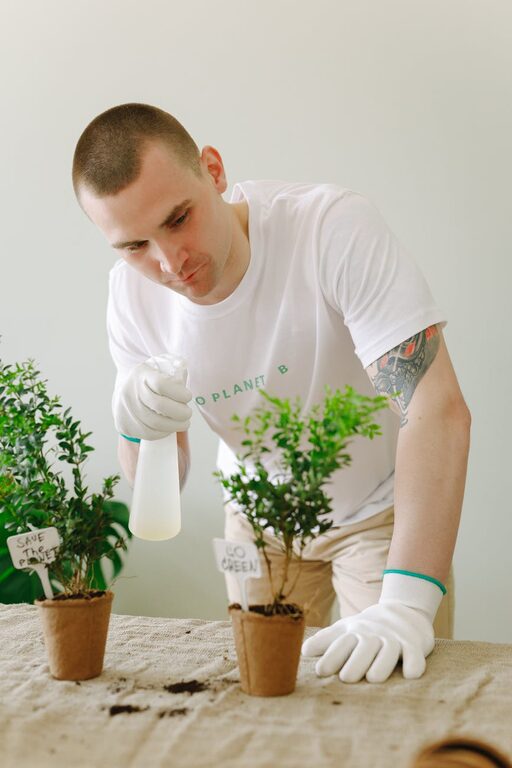
Bringing houseplants into your home is a wonderful way to add color, life, and a fresh touch of nature to your living space. Beyond aesthetics, healthy plants can improve air quality and create a calming environment. However, keeping houseplants thriving requires some care and attention. Whether you’re a seasoned plant parent or just starting out, this guide will help you understand the basics of houseplant care and provide practical tips to keep your plants flourishing.
Understanding Your Houseplant’s Needs
Every plant species has unique requirements, but most houseplants share some basic needs: light, water, nutrients, humidity, and temperature. Getting to know these essentials is the first step toward healthy plants.
Light: Find the Right Spot
Light is crucial for photosynthesis—the process plants use to convert light into energy. Here’s how to match plants with their light needs:
– Bright Light: Plants like fiddle leaf figs or succulents need a spot near a sunny window.
– Indirect Light: Many tropical plants such as peace lilies and pothos thrive in bright, indirect light.
– Low Light: Some plants, like snake plants and zz plants, tolerate lower light but still need some illumination.
Tip: Rotate your plants every week to ensure even light exposure.
Water: Don’t Overdo or Underwater
Watering is often the trickiest part of plant care. Overwatering can cause root rot, while underwatering causes leaves to dry and curl.
– Check the soil moisture before watering by sticking your finger about an inch into the soil.
– Water thoroughly until it drains from the bottom, then let the soil dry out slightly before watering again.
– Use pots with drainage holes to prevent water from pooling.
Nutrients: Feed Your Plants
Plants absorb nutrients from the soil, so regular feeding helps them grow stronger and produce vibrant leaves.
– Use a balanced, water-soluble fertilizer every 4-6 weeks during the growing season (spring and summer).
– Avoid over-fertilizing as it can damage roots and leaves.
– Consider natural options like compost teas or diluted liquid fertilizers.
Creating the Ideal Environment
Houseplants thrive in environments that mimic their natural habitats. Here are factors to consider beyond water and light:
Humidity Levels
Most houseplants, especially tropical varieties, prefer moderate to high humidity.
– Use a humidifier or place a tray of water near your plants to increase humidity.
– Group plants together to create a microenvironment.
– Mist plants occasionally, but avoid overdoing it, which can encourage mold.
Temperature and Drafts
– Most houseplants prefer temperatures between 65°F and 75°F (18°C – 24°C).
– Avoid placing plants near heaters, air conditioners, or cold drafts.
– Sudden temperature changes can stress plants and cause leaf drop.
Common Challenges and How to Fix Them
Even with careful attention, problems can arise. Here’s how to tackle some common issues:
Yellowing Leaves
Usually caused by overwatering or poor drainage. Check your watering routine and soil condition.
Brown Leaf Tips
Often a sign of low humidity or inconsistent watering. Increase humidity and ensure consistent moisture.
Pests
Spider mites, aphids, and scale insects can affect houseplants.
– Inspect plants regularly.
– Use insecticidal soap or neem oil for treatment.
– Keep plants clean by wiping leaves with a damp cloth.
Leggy Plants
When plants stretch toward the light, they can become leggy.
– Increase light exposure.
– Prune back overgrown stems to encourage bushier growth.
Repotting: When and How
Repotting refreshes soil and gives roots room to grow.
– Signs it’s time to repot include roots growing out of drainage holes, slowed growth, or soil drying out too quickly.
– Choose a container 1-2 inches larger in diameter than the current pot.
– Use fresh potting mix appropriate for your plant type.
– Gently loosen the root ball before planting.
Additional Tips for Success
– Keep leaves dust-free by gently wiping with a damp cloth.
– Use clean tools to prevent spreading diseases.
– Research specific needs for each plant species.
– Keep a plant care journal to track watering and feeding schedules.
Conclusion
Caring for houseplants can be a rewarding and enjoyable hobby. By paying attention to light, water, nutrients, humidity, and temperature, you can create a thriving indoor garden. Remember that every plant is different, and learning its unique requirements takes time and observation. With patience and the right care, your houseplants will bring beauty and freshness to your home for years to come.